
Graduation is a big milestone. For many, it’s the first time you’re fully in charge of your own finances. Whether you’re finishing high school or college, you’re stepping into a new level of independence. It also comes with new responsibilities, opportunities, and decisions to make along the way.
But don’t worry, you don’t need to have everything figured out right away. With the right tools and habits, you can start building your financial literacy.
No matter what’s next, learning a few money basics early can make everyday life easier and help you feel more confident managing your finances. Managing money is a skill that builds over time. Focus on getting comfortable with the basics, asking questions when you need to, and using tools that help you stay organized.
We’ve broken down common financial topics for young adults, so you can focus on what’s most relevant to you right now.
Graduating from high school is often your first step toward managing money on your own. Whether you’re heading to college, starting a job, or exploring your options, these basics can help you start strongly.
Open a Checking and Savings Account
A checking account helps you manage your everyday spending, while a savings account lets you set money aside for future goals.
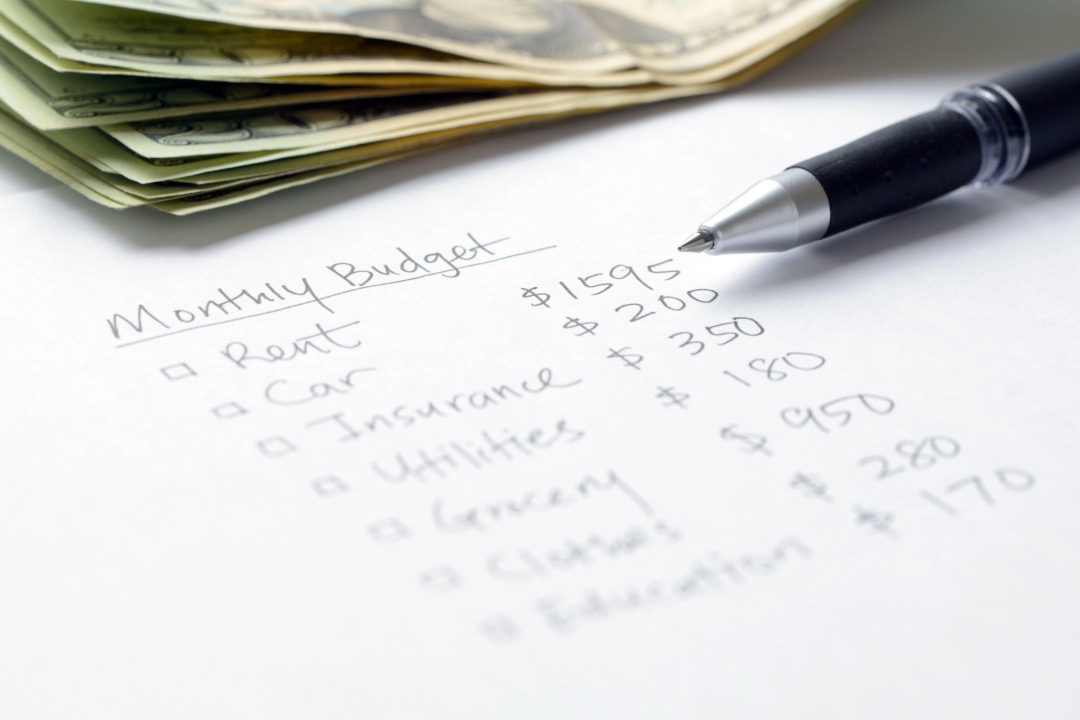
Create a Simple Budget
Knowing where your money goes is one of the most important skills you can learn:
Use Credit Carefully
If you decide to use a credit card:
Using credit responsibly over time helps you build a strong credit history.
Tip: A secured credit card can be a good way to start, since it allows you to build credit with a controlled limit.
Even if you’re already a few steps into your financial journey, reviewing the high school graduate section above can help reinforce the fundamentals.
College graduation often comes with bigger financial decisions, like starting your career, paying for housing, managing student loans, and planning for the future.
Understand Your Student Loans
Take time to get familiar with your loans:
Build an Emergency Fund
Saving for unexpected expenses, like car repairs or medical bills, can help you avoid stress later. Start with a goal of S1,000. Many people aim for 3-6 months of expenses, built over time. As your expenses increase, so should your emergency fund.
Start Thinking About Investing
You don’t need to invest a lot to get started.
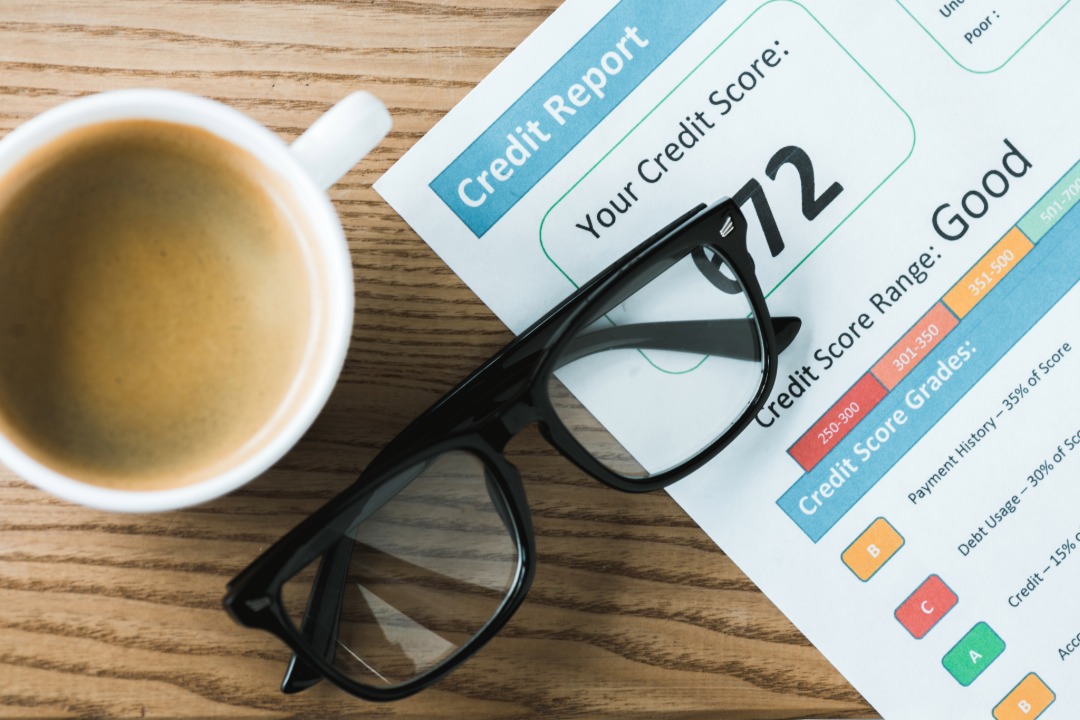
Protect Your Credit
Keep Learning
Financial literacy is a lifelong skill. The more you learn, the more confident you’ll be making decisions over time.
As you take on more responsibility, the right tools can make managing money simpler and safer.
You don’t need to do everything at once. Whether you’re opening your first account, learning to budget, or starting to build credit, each step you take helps shape your future.
Stop by one of our branches to learn more about accounts and services designed to support your journey. You can also give us a call at 805-965-5942 or connect with a member of our team by emailing [email protected].
At American Riviera Bank, we’re here to help you build strong financial habits with the right tools, guidance, and support. And on behalf of the ARB team, congratulations to the Class of 2026. We’re excited to see you take these next steps.
Member FDIC
Previous: Kenney Construction Next: Homeownership Month 2026