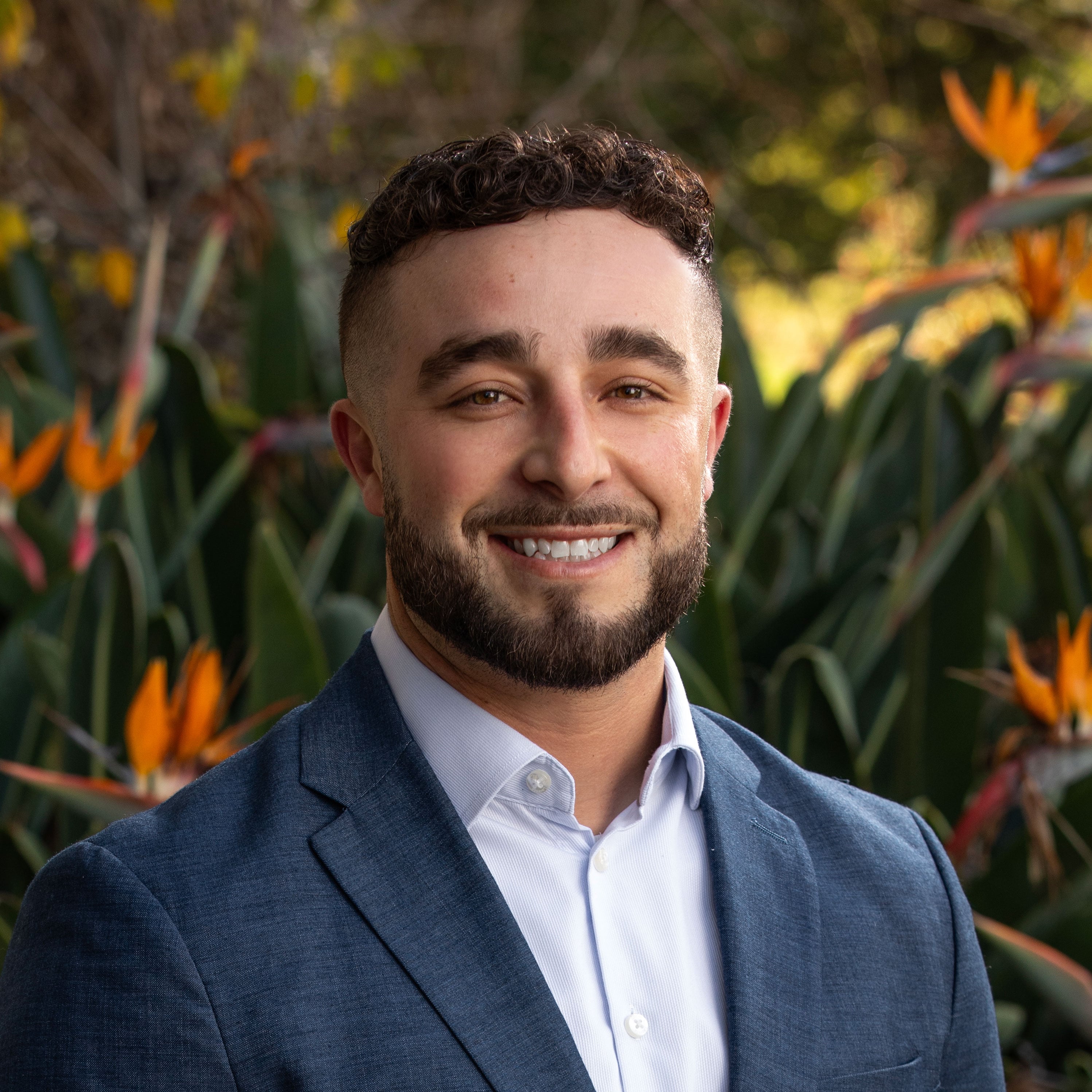
When Brad Streelman looks at California's workforce housing crisis, he sees not just a problem but a blueprint waiting to be written. So, he set out to help draft it. Working with local nonprofits and city leaders, he's spearheading an innovative modular townhome project in Lompoc that could serve as a template for bringing more affordable housing to the Central Coast.
A Long Beach-based entrepreneur and real estate investor, Streelman built his career in distribution, running the second-largest automotive aftermarket battery company in the country before merging with a Texas firm and stepping into the chairman's seat. That shift freed up something more valuable than capital: time. Time to pursue work he'd already been doing quietly for years through housing-focused nonprofits, helping people find stable housing across California.
When a piece of property in Lompoc became available, the pieces started to align.
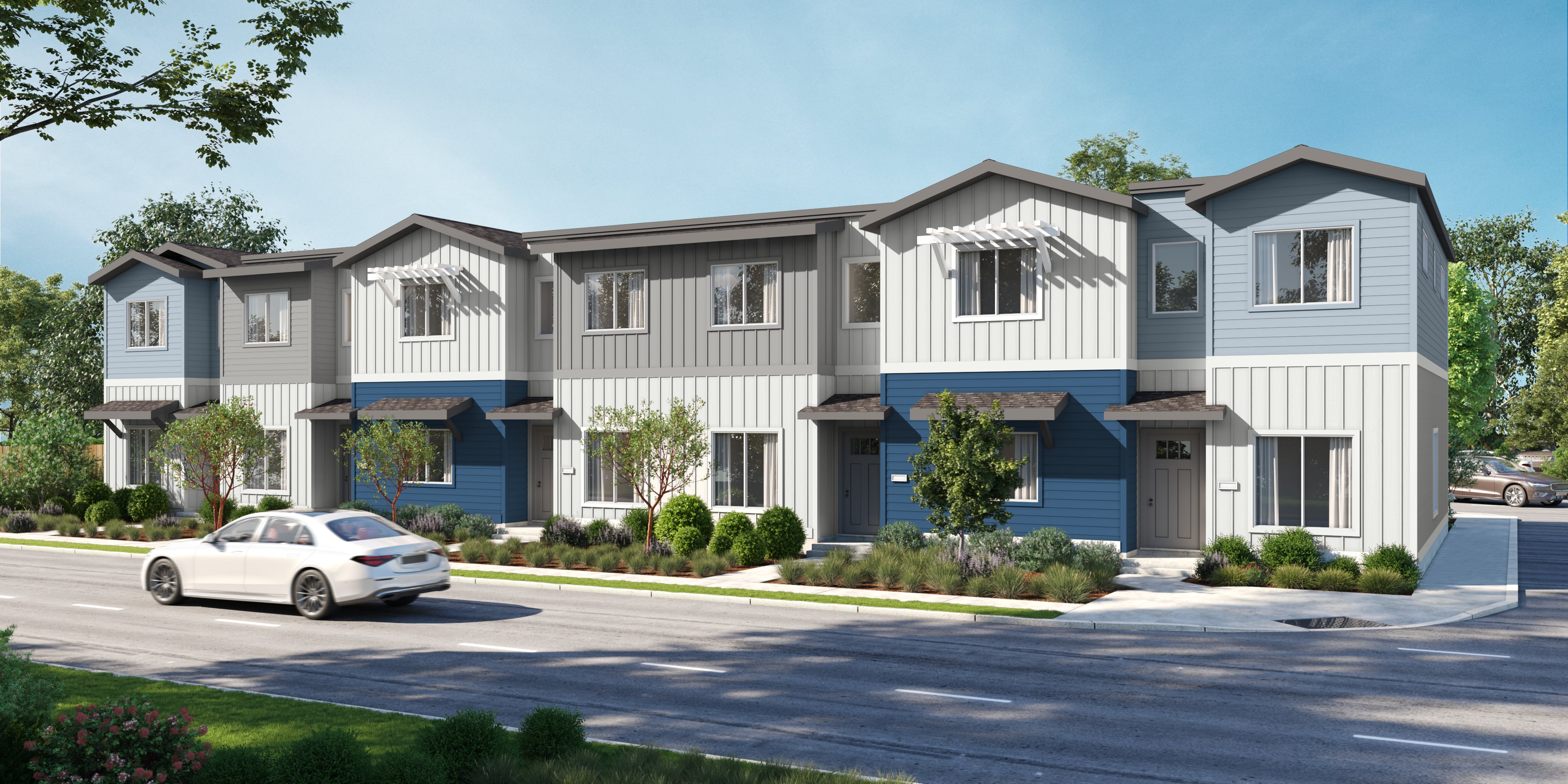
Rather than arriving at City Hall with a plan already locked in, his team asked a different question first: What do you actually need here? They listened to city leadership, talked with the planning department, and built the concept around the answers they received. The result is the Village at PCH, a modular townhome development designed to bring affordable housing to a community that has been in short supply.
"We want to find projects that work for the community, that work for the city," Streelman says. "It's a project that everybody will benefit from."
The homes are being built by Guerdon Manufacturing, a Boise-based company with a long track record in modular construction for hotels, apartment complexes, and commercial projects across the West. Because the units are manufactured in a factory while site foundations and infrastructure are prepared simultaneously, the construction schedule compresses dramatically. Streelman estimates the project went from concept to groundbreaking in about 18 months. That’s fast by any standard, remarkable by California's.
Streelman was deliberate about keeping the project locally rooted. His contractor is based in Santa Maria. His financing came through American Riviera Bank, not because it was the easy choice, but because he specifically sought a lender that knew the region. Modular construction lending is still relatively new and requires a bank willing to learn the process alongside the borrower.
"We don't want to go to some bank that's not invested in the area, doesn't know the area, doesn't know the people," he says.
The Village at PCH is also an argument. It’s proof of the concept that private capital, city partnerships, and community lenders can work together efficiently. Streelman's approach is simple: no public subsidies requested, no special land considerations, just an honest conversation with city planners about what would actually work. In his words, government spending on comparable affordable housing projects can run two to three times what this development will cost, which is part of what makes the private model worth proving out.
"If you want to solve it," he says, "it's not that difficult."
Streelman already has other properties along the coast and sees Lompoc as one chapter of something larger: a replicable model for other communities.
American Riviera Bank remains committed to partnering with forward-thinking entrepreneurs like Brad Streelman and the organizations working to build a better Central Coast, investing not just capital, but community knowledge and a willingness to innovate alongside the people solving tomorrow's problems today.
"Village at PCH is exactly the kind of project we want to support. Brad came to us with a bold idea and a real commitment to this community. We're proud to be part of making it a reality.”
Levi Chagoya, AVP Construction Loan Officer at American Riviera Bank