
When we think about memory loss or cognitive decline, we often picture missed appointments or forgotten names. But for many families, the first signs are much quieter and much more easily missed.
They often show up in finances.
Small money mistakes can be easy to overlook. But when they start to happen more often, or are out of character, they may be signaling something deeper.
Managing money is complex. It requires memory, attention, judgment, and decision-making. In conditions like Alzheimer’s disease, changes in judgment and decision-making can appear earlier than many people expect, and often before memory loss is obvious.
As these abilities begin to change, even slightly, it can affect how someone:
These changes can happen years before a medical diagnosis, which means families often miss the early signs. Increasingly, families are also turning to tools like Carefull to help monitor these changes over time, providing an added layer of visibility into financial behavior that can make early patterns easier to recognize.

It’s not about one mistake, but rather about patterns or changes in behavior.
Here are some of the most common early signs:
If something feels different from their normal behavior, it’s worth paying attention. Tools like Carefull can help surface these patterns automatically, making it easier to spot changes that might otherwise go unnoticed.
These changes don’t only lead to simple mistakes, but also can increase vulnerability to scams and financial exploitation.

As thinking and decision-making begin to shift, it becomes harder to recognize red flags, pause and question unusual requests, or resist pressure and emotional manipulation. Even mild cognitive changes can make someone more likely to be targeted and affected by scams.
Certain situations can make this risk even higher. Older adults who live alone, feel socially isolated, have recently lost a spouse, have taken over finances for the first time, feel less comfortable with technology, or are experiencing early memory or thinking changes may be especially vulnerable.
When these factors overlap, small issues can quickly become bigger problems making early awareness and support all the more important.
Starting the conversation early is one of the most important things you can do.
Here are a few simple ways to help:
1. Start with curiosity, not concern
Instead of jumping to conclusions, try:
2. Put thoughtful safeguards in place
The goal isn’t to take over, but instead to make financial life easier to manage and harder to misuse, especially as things change over time.
Instead of relying on memory or catching problems after they happen, small structural changes can quietly reduce risk, and platforms like Carefull can help automate many of these safeguards behind the scenes.
These aren’t about taking independence away, they’re about preserving it for longer, with the right support in place behind the scenes.
One of the biggest misconceptions is that families should wait until there’s a formal diagnosis to step in. But by then, financial damage may have already happened.
The earlier you notice changes, the more you can:
Financial mistakes are often one of the earliest, and most overlooked, signs of cognitive decline.
Paying attention to small changes today can help prevent bigger problems tomorrow.
And during Alzheimer’s & Brain Awareness Month, it’s a reminder that early awareness isn’t just helpful, it’s powerful. It allows families to step in with support, care, and confidence, when it matters most.
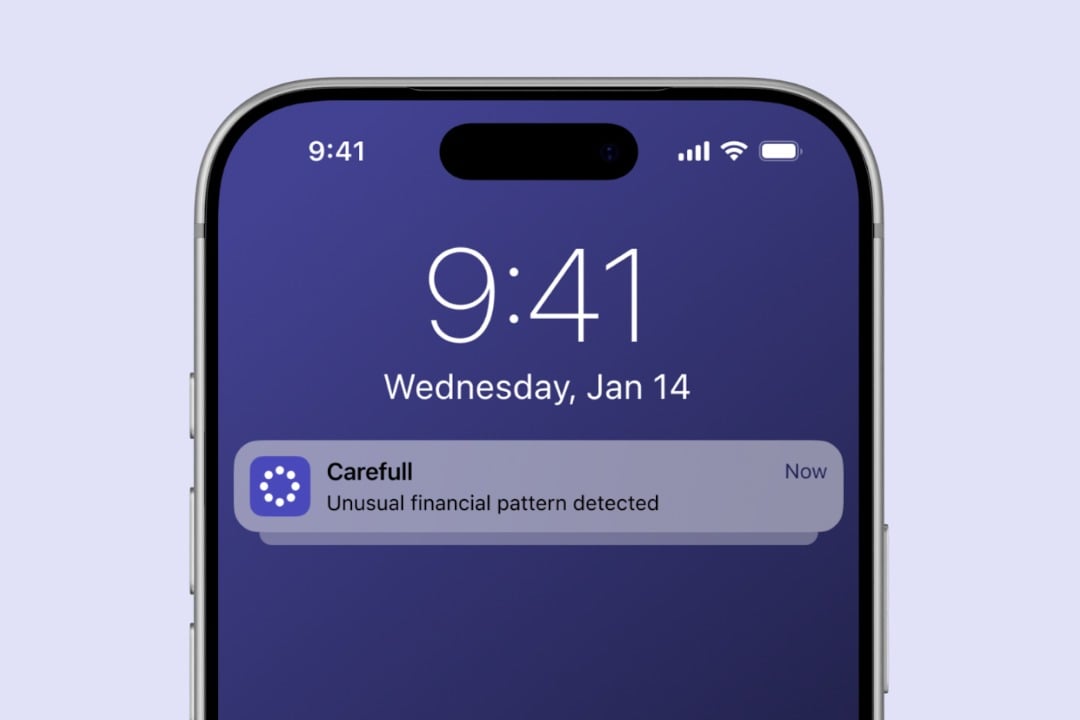
Having the right tools in place can make this much easier. Carefull helps monitor for unusual activity, flag potential scams, and keep families informed making it easier to step in early without taking away independence.
At American Riviera Bank, we believe in protecting what matters most. That's why we're proud to offer Carefull—a cutting-edge financial safety service designed to shield you from financial fraud and identity theft.
Carefull typically costs $299 per year. As our way of saying thank you for your trust and loyalty, we are offering this service at no cost to ARB clients.
Get started today by enrolling in Carefull.
Previous: BIMI Logomark Next: Jason Wilson Receives Larry Koppelman Award