
Vacation should be a time to relax, not a time spent worrying about your financial information being stolen, your devices being hacked, or your budget being blown. Learning a few simple financial safety tips helps give you control and confidence knowing your finances are in order so you can enjoy your summer vacation! Here are ARB’s 8 top tips:
Preparing in advance can help prevent overspending and protect you from scams or hacking. Researching your destination before your trip can also help you feel more confident about where and how you're spending your money. Planning ahead may even encourage you to consider shorter getaways, allowing you to spend less while creating more opportunities to travel. By understanding potential risks before you leave, you can avoid unexpected surprises and enjoy a smoother trip.
Creating a budget sets the stage for an organized and prepared traveler. Decision-making becomes easier because you have guidelines and boundaries, leading to less frequent spending, more intention on how your money is spent, and protection from dipping into your savings. Use free budgeting tools like Personal Finance, located in online and mobile banking to help you plan.
Before you set sail on your travels, notify the bank to prevent your card from being flagged or frozen for suspicious or unusual activity. Be sure to provide information such as where you'll be traveling, when you will be leaving and returning, and which cards you will be using.
Understanding the local currency and current exchange rates can help you make smarter financial decisions while traveling. Familiarizing yourself with the value of your money compared to the local currency can prevent overspending and help you recognize unfair prices or hidden fees. When exchanging money, use trusted services and avoid unfamiliar exchange locations that may offer poor rates or additional charges.
Consider purchasing travel insurance to protect your flights and other travel expenses. Unexpected issues such as flight delays, cancellations, lost luggage, or limited transportation can quickly turn a trip into a stressful and expensive experience. Travel insurance can help reimburse eligible expenses and reduce financial impact, giving you greater security if things go awry.
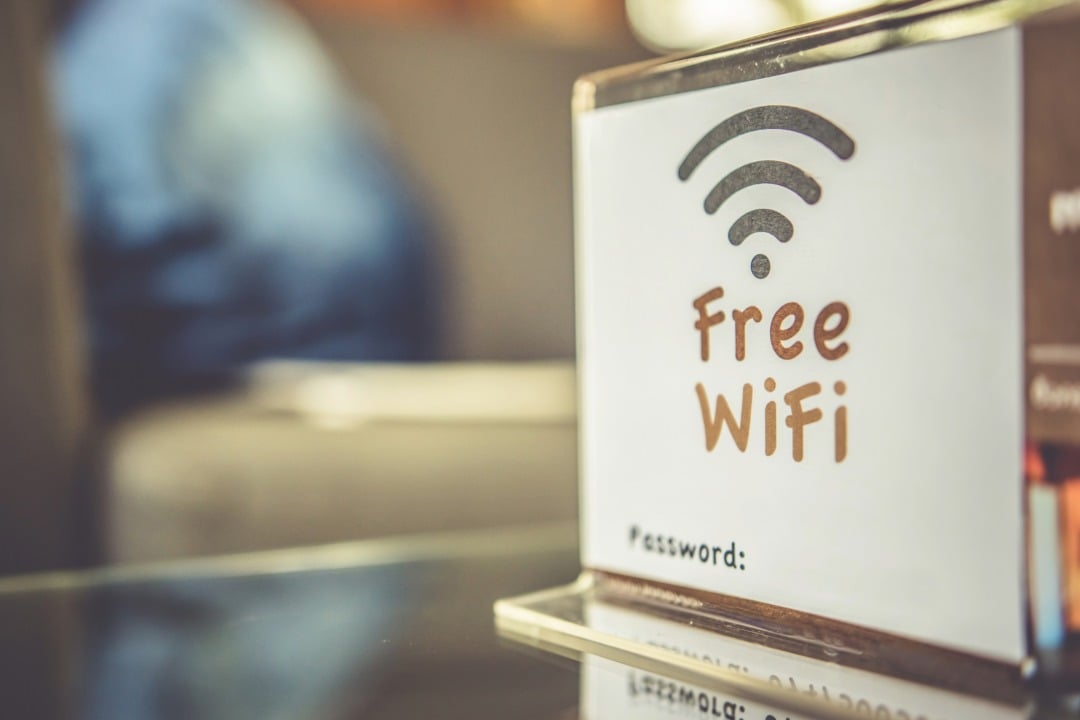
Hackers can obtain your personal information through public Wi-Fi, compromised charging stations, and USB ports, or when you enter card information on unsecured websites. Be mindful of where and how you make purchases while traveling. ATMs can also pose a security risk. Whenever possible, use ATMs located inside banks or in well-lit, monitored areas. Isolated machines are more vulnerable to tampering, which can put your financial information at risk.
Take advantage of free tools like digital wallets, where your card number is replaced by a unique code so your debit card number isn’t shared while you shop. Turn on card controls and alerts to control how and when your card can be used. You can even turn your card off in the app if you lose it. Set up notifications in your mobile app to be alerted instantly when your card is used while you travel for extra peace of mind.
Separate payment methods, such as keeping your debit card and credit card in different places while you travel, will give you a backup option if one is lost, stolen, or compromised. You’ll still have access to your money, providing ease while traveling. Additionally, avoid carrying large amounts of cash at once. Pickpocketing is common in many travel destinations, so keeping extra cash in your hotel safe or another secure location can minimize financial loss if your wallet is lost or stolen.
Check with your bank before leaving the country to find out whether they charge foreign transaction fees or ATM withdrawal fees. Although these charges may seem small, they can add up quickly when using your card frequently, ultimately increasing travel expenses without you realizing it. Understanding these fees can help you make better decisions about which payment methods to use and which to avoid.
We hope our travel tips provide you with insight into the potential challenges of traveling while also showing that there are preventative steps and solutions available so you can maximize your experience and minimize stress.
If something unexpected occurs, feel free to contact a representative for assistance in resolving any issues you may experience. For lost or stolen debit cards, call 800-754-4128 or 727-227-9012 internationally.
Previous: Back to School 2026 Next: Quality Roofing